A Pharmacist’s Guide: How To Make Lifestyle Changes Easy With GLP-1 Therapy
Written by Shereen Amin MRPharmS, UK-registered Pharmacist Prescriber and Medical Writer (GPhC 2073003)
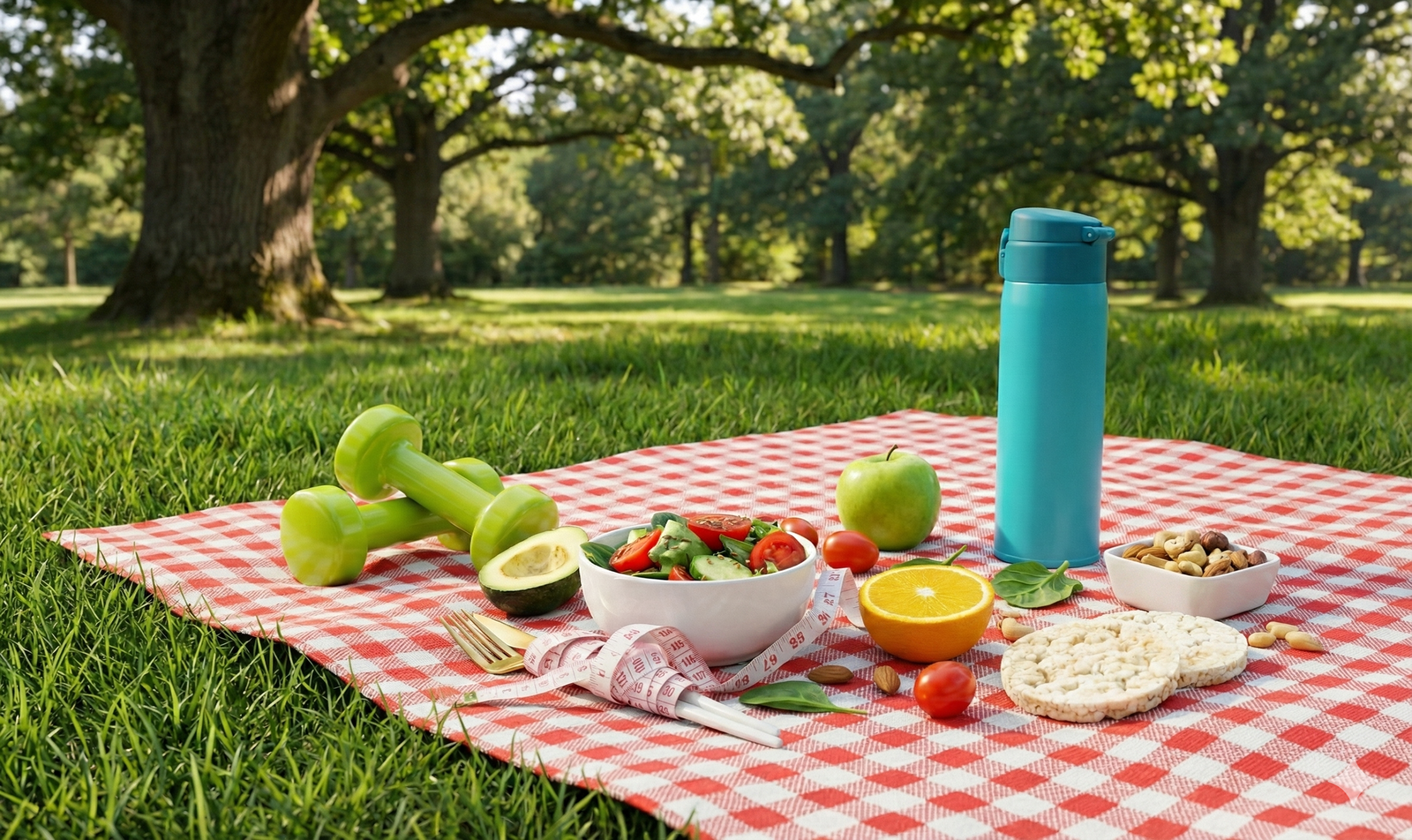
Image 1: A visual reminder that combining balanced nutrition, strength support, and active choices underpins successful GLP-1 therapy outcomes.
Introduction
GLP-1 treatments, like Wegovy and Mounjaro, have gained popularity over the past few years as a helpful option for people looking to improve their weight, health, and confidence. These medications work by reducing appetite, helping with blood sugar control, and supporting steady weight loss. But even with these treatments, your lifestyle choices are still crucial for lasting success.
This guide is here to show you how small, sustainable changes to your daily habits can help you get the most out of your treatment. It’s written from the perspective of a pharmacist who’s helped many patients on their GLP-1 journey, so you’ll find practical advice based on real-world experience.
Why Your Lifestyle Choices Still Matter on GLP-1 Therapy
While GLP-1 medications help make weight loss easier by reducing hunger and making you feel fuller longer, they’re not a magic fix. The changes you make to your daily habits are what will keep you on track for long-term success.
Steps like eating balanced meals, staying active, and sticking to healthy routines all play a big part in strengthening your results. GLP-1 treatments are a great tool, but they work best when paired with healthy choices that support your overall well-being, like protecting your muscle mass while you lose weight.
Nutrition Strategies That Support GLP-1 Treatment
Prioritise protein
Protein is your friend, especially when you’re working on losing weight, as it helps you feel fuller for longer and supports your muscles. Plus, it can help minimise hair shedding, which can sometimes happen with weight loss.
Foods that are rich in protein usually come with other essential nutrients, too. For example, meat is a great source of iron, while dairy products give you calcium. It's recommended to aim for about 0.75g of protein per kilogram of body weight each day. So, if you weigh around 75kg, you’d want about 55g of protein a day. If you’re more active or older, you might need a little more.
Include protein at every meal. Think chicken, fish, eggs, tofu, yoghurt, chickpeas, beans, or lentils. Even when your appetite is low, choosing small, protein-packed snacks can keep you on track.
Build balanced, satisfying meals
A balanced plate includes a portion of protein, plenty of vegetables and a source of whole grains or fibre-rich carbohydrates. This combination helps keep your blood sugar and energy levels steady and leaves you feeling satisfied, which makes you less likely to overeat later on. Healthy fats like olive oil, nuts, or avocado shouldn’t be avoided — they help you absorb vitamins A, D, E and K.
During treatment, you may feel full after just a few bites, so every mouthful counts. Focus on the quality of your food rather than calories. Eating slowly and taking smaller meals more often can make eating easier.
Hydration and reducing sugary drinks
Keeping hydrated supports digestion, helps avoid constipation, and can ease headaches or dizziness. It is recommended that most adults drink 6 to 8 glasses of fluid a day, which is equivalent to around two litres. You may need more if you are pregnant, breastfeeding, very active or in hot weather, and less if you have certain medical heart or kidney conditions (check with Medy that GLP-1 treatment is suitable for you if this applies).
Water, sugar-free squash, and herbal teas are good everyday choices. Minimising fizzy drinks and alcohol can help to reduce bloating and sulphur burps during treatment. Cutting back on juices and large milky coffees can also support weight loss by reducing unnecessary calories without leaving you hungry.
Managing nausea through dietary habits
Some people feel a bit nauseous during the first few weeks of treatment. Eating slowly, choosing smaller portions and sticking to lighter, low-fat foods can make this easier to manage. Ginger drinks, peppermint tea or plain snacks like crackers may also help settle your stomach. Try to limit fried and heavily processed foods, as these can worsen both nausea and reflux.
If nausea continues or starts to interfere with your day, contact the Medy clinical team for advice.
Physical Activity for GLP-1 Users
Start low and build gradually
Any movement counts. A slow walk, stretching, or chair exercises are a great start if you haven’t been active recently. Add a little more each week and focus on progress, not perfection.
Strength training to protect muscle and bone mass
Losing weight too quickly can reduce muscle strength and bone density. Strength training helps prevent this and keeps your metabolism (and energy levels) healthy. Two to three sessions a week is a good goal.
You don’t need fancy equipment: simple bodyweight exercises, resistance bands, or light dumbbells work fine. Pair this with brisk walking or swimming to support balance and stamina.
Staying active even with a busy schedule
Movement doesn’t have to mean long gym sessions. Short bursts through the day make a big difference, and a ten-minute workout, taking the stairs instead of the lift, or walking about while on calls all add up. These simple habits keep your energy up without taking extra time out of your busy day.
Behaviour and Habit Change Techniques
Setting realistic, meaningful goals
Goals that matter to you are easier to keep. Instead of only focusing on the scales, you might aim to feel stronger, sleep better, or manage cravings more easily. Setting small steps helps you see progress and stay encouraged.
Building consistent routines
Everyday habits like planning your meals, keeping healthy snacks ready or maintaining a regular sleep routine can make a real difference and help you stay on track. If you slip up, just start fresh the next day. Each small step keeps you moving forward.
Mindful eating
Eating more slowly gives your body time to notice when it is full. Try putting your fork down between bites, and avoid screens while eating. These simple habits can help you avoid overeating and build a more positive, balanced relationship with food.
Medication Adherence and Safe Use
Build a steady routine to get the best results from GLP-1 treatment. Set a reminder for your weekly injection so that you don't miss a dose, and rotate your injection sites to reduce the chance of bruising or skin irritation.
If you have questions about your dose or experience severe pain or vomiting, contact the Medy clinical team promptly.
When travelling, keep your pen safe. Packing it in an insulated chiller bag with cool packs can help protect it from getting too warm, especially on longer journeys. Carry your supplies in your hand luggage and check local requirements in advance, so you feel confident and prepared throughout your trip.
Monitoring Progress Beyond the Scale
Weight isn’t the only marker of success. Many people notice inch loss, clearer skin, better sleep, fewer cravings, and more energy. Your blood pressure, cholesterol, or sugar levels may also improve.
Regular check-ins with the Medy clinical team can help you track your progress. Remember, weight plateaus are completely normal and do not mean your treatment has stopped working.
Common Challenges and How to Overcome Them
A smaller appetite can make it tricky to meet your nutritional needs. Prioritise protein and nourishing foods, even in small portions. Stomach symptoms usually improve as your body adjusts, and slowing down your eating pace or reducing your portion size can help in the meantime.
Social events and holidays may feel like a challenge; plan ahead of time and be kind to yourself so that you can maintain a balance and still enjoy yourself! Progress isn’t a straight line and always brings its ups and downs, so don't feel discouraged if you have a difficult moment.
When to Seek Additional Support
If side effects do not settle or if your weight changes too quickly, contact the Medy clinical team. It is also important to reach out if you feel low, unmotivated or unsure about your next steps. Regular reviews keep you safe and supported on your treatment journey.
Conclusion
GLP-1 therapy can be a powerful tool, but real success comes from the habits you build alongside it. Small, steady changes in how you eat, move, and live will shape your long-term results.
If you’re ready to begin or want guidance tailored to you, speak to Medy. You deserve a plan that works for your life and your goals.
References
- British Nutrition Foundation. Protein: How much do we need? Available at: https://www.nutrition.org.uk/nutritional-information/protein/ Accessed: November 2025 ↩
- NHS. The Eatwell Guide. Available at: https://www.nhs.uk/live-well/eat-well/food-guidelines-and-food-labels/the-eatwell-guide/ Accessed: November 2025 ↩
- Mehrtash F, Dushay J, Manson JE. Integrating Diet and Physical Activity When Prescribing GLP-1s: Lifestyle Factors Remain Crucial. AMA Internal Medicine. 2025;185(9):1151–1152. doi:10.1001/jamainternmed.2025.1794 ↩
- Chavez AM, Carrasco Barria R, León-Sanz M. Nutrition support whilst on glucagon-like peptide-1 based therapy: Is it necessary? Current Opinion in Clinical Nutrition & Metabolic Care. 2025;28(4):351–357. doi:10.1097/MCO.0000000000001130 ↩
- Mozaffarian D, Agarwal M, Aggarwal M, Alexander L, Apovian CM, Bindlish S, Bonnet J, Butsch WS, Christensen S, Gianos E, Gulati M, Gupta A, Horn D, Kane RM, Saluja J, Sannidhi D, Stanford FC, Callahan EA.Nutritional priorities to support GLP-1 therapy for obesity: A joint advisory from multiple professional organisations. Obesity (Silver Spring). 2025;33(8):1475–1503. doi:10.1002/oby.24336 ↩